2026 Money Saving Guide for Kids: A Fun and Educational Tool for Young Financial Literacy
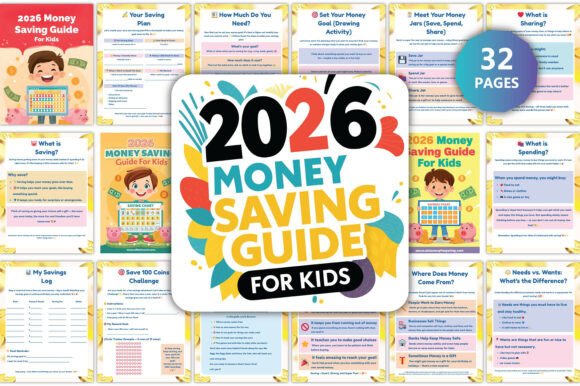
The 2026 Money Saving Guide for Kids is a unique and engaging resource designed to introduce children to the world of money management in a way that’s both fun and educational. Unlike traditional financial guides that can feel overwhelming or unapproachable, this guide uses colorful visuals, interactive activities, and simple language to teach essential money skills. It’s an ideal tool for parents, educators, and caregivers who want to instill financial responsibility in young minds without making the learning process feel like a chore.
What Makes the 2026 Money Saving Guide for Kids Stand Out?
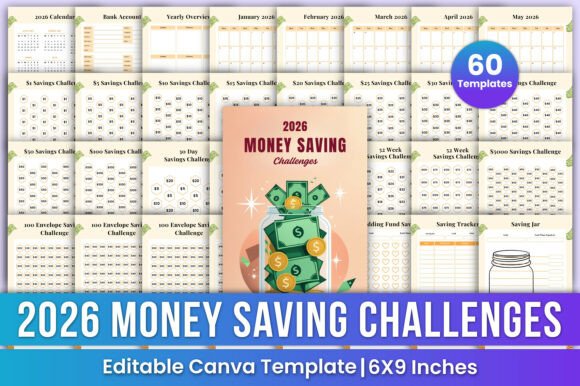
One of the most distinctive features of the 2026 Money Saving Guide for Kids is its blend of education and entertainment. It’s not just a planner—it’s a comprehensive learning tool that encourages kids to explore concepts like saving, spending, sharing, and goal setting through hands-on activities. The guide is structured around a full calendar for the year 2026, which allows children to plan and track their financial goals month by month. This built-in structure helps them develop a sense of time management and long-term planning, which are crucial aspects of financial literacy.
In addition to the calendar, the guide includes a variety of interactive elements such as “Set Your Money Goal,” “Weekly Money Tracker,” and the “Save 100 Coins Challenge.” These exercises are designed to be engaging and age-appropriate, ensuring that children stay motivated and interested in learning about money. The inclusion of illustrated pages also makes the content more accessible, especially for younger readers who may find text-heavy materials challenging.
Another key strength of the 2026 Money Saving Guide for Kids is its emphasis on creativity and personalization. Kids are encouraged to draw, color, and customize their money goals, which keeps the experience exciting and tailored to their interests. This level of engagement is important because it helps maintain a child’s attention and makes the learning process feel more like play than work.
Comparing the 2026 Money Saving Guide for Kids with Similar Resources
While there are several resources available for teaching children about money, the 2026 Money Saving Guide for Kids stands out due to its combination of structure, interactivity, and visual appeal. Many other tools focus solely on one aspect of financial education—such as budgeting or saving—but this guide covers a broader range of topics, including needs vs. wants, smart spending choices, and the importance of generosity.
For example, some popular alternatives include apps like “PiggyBot” and “Kids Pay,” which use gamification to teach money management. While these apps can be effective, they often lack the physical component that comes with a printable planner. The 2026 Money Saving Guide for Kids offers a tangible, hands-on experience that many parents and educators prefer, especially for younger children who may not yet be comfortable with digital interfaces.
Other options might focus more on specific skills, such as earning money through chores or managing a small allowance. While these resources have their own merits, they may not provide the same level of comprehensive guidance as the 2026 Money Saving Guide for Kids. This guide serves as a one-stop solution for introducing multiple financial concepts in an integrated and cohesive manner.
Strengths and Limitations of the 2026 Money Saving Guide for Kids
The 2026 Money Saving Guide for Kids has several strengths that make it a valuable resource for families looking to teach financial literacy. Its interactive nature ensures that children remain engaged and motivated, while the monthly calendar format helps them develop a sense of routine and accountability. The inclusion of editable Canva templates also adds flexibility, allowing parents and educators to customize the guide to suit their child’s specific needs or interests.
However, there are some limitations to consider. For instance, the guide is primarily designed for children who are already familiar with basic concepts like counting money and understanding the value of different denominations. While it does provide explanations in kid-friendly language, it may not be suitable for very young children who require more foundational instruction. Additionally, the guide’s reliance on printed materials means that it may not be as adaptable for digital-only environments or for families who prefer a more tech-integrated approach.
When Is the 2026 Money Saving Guide for Kids the Right Choice?
The 2026 Money Saving Guide for Kids is an excellent choice for families who want to introduce financial literacy in a fun and interactive way. It’s particularly well-suited for children aged 5 to 12, who are at a stage where they can begin to grasp basic money concepts and benefit from hands-on learning experiences. Parents who enjoy creating personalized learning materials will also appreciate the ability to edit and customize the guide using the included Canva link.
Additionally, this guide is ideal for educators and childcare professionals looking for a practical tool to incorporate into classroom activities or after-school programs. Its structured format and clear instructions make it easy to integrate into existing curricula, and the visual elements help reinforce key concepts in a way that’s accessible to all learners.
Alternatives to Consider
If the 2026 Money Saving Guide for Kids doesn’t quite fit your needs, there are several alternative resources worth exploring. For instance, if you’re looking for a more digital-first approach, apps like “Money Duck” or “Little Money” offer interactive games that teach money management skills through play. These apps are great for children who are more comfortable with technology and may prefer a screen-based learning environment.
For those who prefer a more structured curriculum, books like “The Berenstain Bears’ Dollars and Cents” or “Rich Dad Poor Dad for Kids” provide in-depth lessons on financial concepts. While these books are excellent for older children, they may not offer the same level of interactivity or hands-on activities as the 2026 Money Saving Guide for Kids.
If your child is interested in earning money, you might also consider resources like “The Kids’ Money Book” or “Financial Freedom for Kids.” These books focus on teaching children how to earn, save, and invest money, which can be especially beneficial for those who are eager to take on more responsibility with their finances.
Realistic Examples and Practical Comparisons
To better understand how the 2026 Money Saving Guide for Kids compares with other options, let’s consider a few realistic examples. Imagine a parent who wants to teach their 8-year-old child about saving. Using the 2026 Money Saving Guide for Kids, the parent could set up a weekly savings challenge where the child tracks their progress using the included tracker pages. This activity not only teaches the child about saving but also reinforces the importance of consistency and goal-setting.
Alternatively, if the parent prefers a digital solution, they might opt for an app like “PiggyBot,” which allows children to set savings goals and receive rewards for meeting them. While both approaches have their advantages, the 2026 Money Saving Guide for Kids offers a more tactile and customizable experience that many parents find more rewarding for their child’s development.
Another comparison could involve a family that uses a combination of both the 2026 Money Saving Guide for Kids and a digital app. By using the guide for structured planning and the app for additional practice, the family can create a well-rounded financial education strategy that caters to different learning styles and preferences.
Making an Informed Decision
Ultimately, the decision to use the 2026 Money Saving Guide for Kids depends on your child’s age, learning style, and specific financial education goals. If your child enjoys hands-on activities and benefits from a structured, printable format, this guide is an excellent choice. However, if your child prefers a more digital or gamified approach, there are other resources that may be more appropriate.
Regardless of which option you choose, the key is to create a consistent and supportive environment that encourages financial literacy from an early age. The 2026 Money Saving Guide for Kids is just one of many tools available to help you achieve this goal, and it offers a unique blend of education, engagement, and creativity that makes it a standout resource in the world of children’s financial learning.