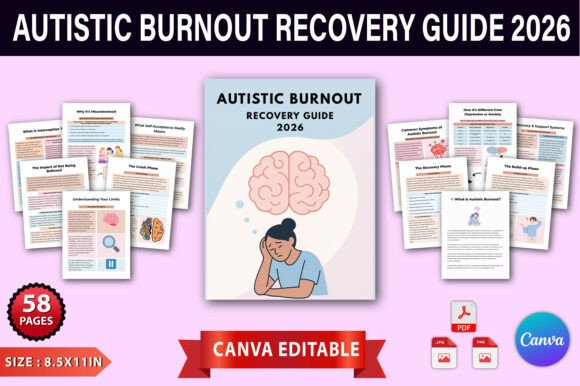
Autistic Burnout Recovery Guide 2026: A Year-Long Path to Healing and Balance
Life as an autistic adult can be full of unique challenges, from navigating social interactions to managing sensory overload. Over time, these pressures can lead to a state known as autistic burnout—a condition that often feels overwhelming and misunderstood. Autistic Burnout Recovery Guide 2026 is designed to help you recognize, manage, and recover from this experience with compassion and clarity.
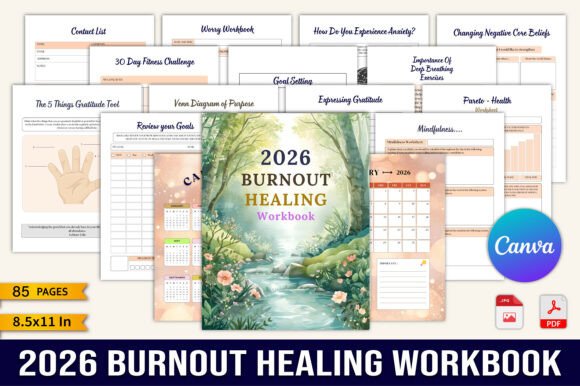
This guide isn’t just another self-help book; it’s a year-long planner and workbook tailored for autistic adults who want to take control of their mental health. It blends education, reflection, and gentle structure to support every stage of the burnout journey—from identifying early signs to rebuilding energy and confidence. With its soothing pastel colors, minimalist layouts, and sensory-friendly formatting, it creates a calm space for healing and planning.
Understanding Autistic Burnout
Many people confuse autistic burnout with depression or anxiety, but it’s a distinct experience rooted in the daily demands of living on the autism spectrum. It often stems from overexertion, sensory overload, or unmet needs in communication and social environments. The result? A deep sense of exhaustion, emotional numbness, and a loss of interest in activities that once brought joy.
Autistic Burnout Recovery Guide 2026 provides clear explanations of what this condition is, how it differs from other mental health challenges, and why it’s often misunderstood. This foundational knowledge is essential for anyone looking to understand their own experience or support someone else through it.
When and Why You Might Need This Guide
The guide is ideal for anyone experiencing symptoms of burnout, whether they’ve been struggling for months or just realized they’re feeling overwhelmed. It’s especially useful for those who feel isolated in their experience or who have found traditional self-help resources insufficient.
For example, an entrepreneur might find themselves working long hours without adequate rest, leading to burnout. A teacher may struggle with the constant demands of classroom management and student interactions. A blogger could feel drained by the pressure to maintain content output while managing sensory sensitivities. In each case, Autistic Burnout Recovery Guide 2026 offers a structured yet flexible approach to recovery.
Real-World Use Cases
Autistic Burnout Recovery Guide 2026 is not limited to one setting—it’s versatile enough to fit into various aspects of life. Here are some realistic scenarios where it can make a difference:
- Personal Life: Someone who feels emotionally drained after a busy week might use the guide to track their mood and identify patterns. The monthly planner helps them set small, achievable goals for rest and self-care.
- Creative Work: A freelance artist might use the journaling prompts to explore how burnout affects their creativity and find ways to reconnect with their passion.
- Professional Setting: A manager at a tech company could apply the guide’s strategies for communication and sensory regulation to improve workplace dynamics and reduce stress.
- Education: A special education teacher might use the guide to better understand the needs of their students and create more inclusive classroom environments.
- Digital Life: A content creator could benefit from the guide’s tips on managing screen time and digital overload, helping them regain balance in their online presence.
Each section of the guide is designed to be used in different contexts, making it a valuable resource for anyone navigating the complexities of daily life as an autistic adult.
Key Features That Make a Difference
What sets Autistic Burnout Recovery Guide 2026 apart is its thoughtful design and practical tools. Here’s how it supports users throughout their recovery journey:
- Self-Reflection Prompts: These journaling exercises help users explore their emotions, identify early signs of burnout, and build awareness of their personal triggers.
- Monthly Planner: The 12-month calendar includes spaces for tracking mood, energy levels, and recovery habits, offering a visual way to monitor progress.
- Recovery Tools: Practical guidance on rest, sensory regulation, and sustainable routines helps users create a personalized plan for long-term well-being.
- Self-Acceptance Guidance: The guide addresses shame and self-doubt, offering strategies to build confidence and celebrate neurodivergent strengths.
- Sensory-Friendly Design: The calming visuals and soft color palette create a soothing environment that promotes focus and relaxation.
These features work together to provide a holistic approach to recovery, ensuring that users feel supported in both mind and body.
Considerations Before Using the Guide
Before diving into Autistic Burnout Recovery Guide 2026, it’s important to consider your current state of health and readiness for change. Burnout can be deeply affecting, so it’s crucial to approach recovery with patience and self-compassion.
Some questions to ask yourself include: Are you open to reflecting on your experiences? Do you have a support system in place? How much time can you dedicate to this process? Being honest about these factors will help you determine if the guide is the right fit for you at this moment.
Additionally, consider whether you need additional support beyond what the guide offers. While it’s a comprehensive resource, consulting with a therapist or counselor can provide further insight and assistance during the recovery process.
Why Choose This Guide?
Autistic Burnout Recovery Guide 2026 stands out because it doesn’t just offer information—it provides actionable steps for healing. Its blend of education, reflection, and gentle structure makes it accessible for people at different stages of their journey. Whether you’re just beginning to understand burnout or seeking to rebuild your energy, this guide offers a safe and supportive path forward.
By focusing on self-acceptance, practical tools, and real-world applications, it empowers users to reclaim their well-being and find balance in their daily lives. It’s more than a guide—it’s a companion for recovery, designed with empathy and understanding at its core.