Mastering Emotional Regulation with the DBT Emotional Regulation Planner
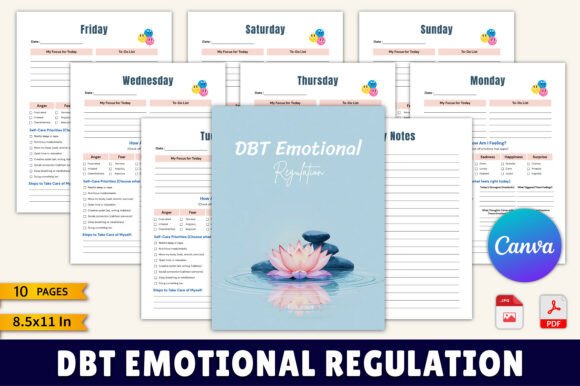
The DBT Emotional Regulation Planner is a powerful tool designed to help individuals better understand and manage their emotions. Whether you're new to Dialectical Behavior Therapy (DBT) or looking to refine your emotional awareness, this planner offers structured guidance to support daily emotional regulation. By tracking moods, identifying triggers, and practicing self-care, users can build resilience against stress and improve overall well-being.
Understanding the Core Benefits of the DBT Emotional Regulation Planner
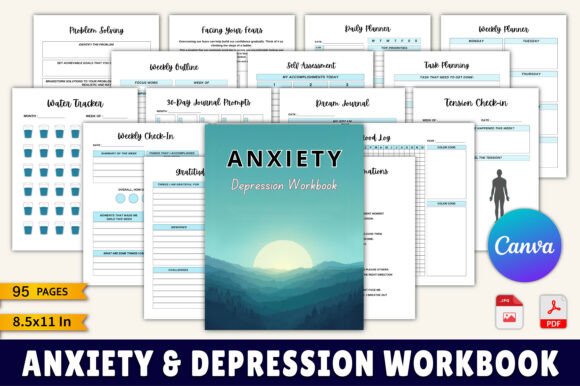
At its core, the DBT Emotional Regulation Planner helps users develop a deeper understanding of their emotional landscape. With daily check-in pages, it encourages consistent reflection on mood, thoughts, and behaviors. This regular practice supports emotional awareness, which is essential for recognizing and responding to emotions in a healthy way.
The planner also includes sections for trigger reflection, allowing users to identify what sparks their emotional responses. By understanding these triggers, individuals can learn how to respond more calmly and thoughtfully. Thought journaling pages provide space to write insights, helping users process complex emotions and track progress over time.
Common Mistakes When Using the DBT Emotional Regulation Planner
While the DBT Emotional Regulation Planner is a valuable resource, some users may not get the full benefit from it. One common mistake is using the planner inconsistently. Without regular use, the benefits of emotional tracking and self-reflection are diminished. For example, someone might only fill out the planner once a week instead of every day, which limits the planner’s effectiveness.
Another frequent oversight is skipping the trigger reflection section. Many users focus solely on mood tracking but neglect to explore why certain emotions arise. This can prevent them from developing long-term coping strategies. A user might, for instance, note feeling anxious but skip the trigger section, missing an opportunity to understand the root cause.
Additionally, some users overlook the importance of self-care priorities. The planner includes prompts for rest, exercise, mindfulness, creativity, and social connections, yet many fail to incorporate these into their routine. Neglecting self-care can lead to burnout and reduce the planner’s impact on emotional regulation.
How These Mistakes Affect Results
Inconsistent use of the planner can result in incomplete emotional data, making it harder to identify patterns or make meaningful changes. Skipping trigger reflections means users miss critical opportunities to understand their emotional triggers, which can hinder their ability to respond effectively in the future.
Ignoring self-care priorities can lead to emotional exhaustion, which undermines the entire purpose of the planner. If users don’t prioritize rest and mindfulness, they may struggle to maintain emotional balance, leading to frustration and reduced satisfaction with the tool.
Moreover, not engaging with the thought journaling pages can prevent users from processing their emotions deeply. This lack of reflection can leave unresolved feelings unaddressed, potentially leading to recurring emotional challenges.
Practical Tips to Avoid Common Pitfalls
To maximize the value of the DBT Emotional Regulation Planner, start by committing to a consistent daily routine. Set aside a specific time each day to complete the check-in pages, even if it's just 10 minutes. This habit will help you build emotional awareness over time.
Make sure to use the trigger reflection section regularly. Ask yourself: What happened that triggered this emotion? How did I react? What could I do differently next time? This simple practice can lead to significant improvements in emotional regulation.
Don’t forget to incorporate self-care into your daily plan. Use the self-care priority prompts to schedule activities that promote well-being. Whether it's a short walk, a mindfulness exercise, or connecting with a friend, these small steps can have a big impact.
Finally, take advantage of the thought journaling pages. Write down your insights and reflections to gain clarity about your emotional experiences. Over time, this practice can help you recognize patterns and develop more effective coping strategies.
What to Check Before Using the DBT Emotional Regulation Planner
Before starting with the DBT Emotional Regulation Planner, consider whether you’re ready to commit to a daily routine. Emotional regulation requires consistency, so it’s important to assess your current habits and determine if you can dedicate time to this practice.
Also, evaluate your emotional goals. Are you looking to reduce stress, improve mood, or develop healthier coping mechanisms? Understanding your objectives will help you use the planner more effectively.
Lastly, ensure you have access to the necessary resources. The planner includes editable Canva templates, high-quality PDFs, and multiple page sizes, so choose the format that best suits your needs. Having the right tools in place will enhance your experience with the planner.
Why the DBT Emotional Regulation Planner Stands Out
The DBT Emotional Regulation Planner stands out due to its comprehensive approach to emotional regulation. Unlike generic planners, it integrates key DBT principles such as mindfulness, distress tolerance, and emotion regulation. This makes it a valuable resource for both beginners and experienced practitioners.
Its structured format ensures that users cover all aspects of emotional health, from daily check-ins to long-term goal setting. The inclusion of multiple page sizes and editable templates also adds flexibility, allowing users to customize the planner to fit their unique needs.
By combining practical exercises with reflective prompts, the planner supports users in building sustainable emotional regulation habits. It’s an excellent choice for anyone looking to improve their mental health and overall quality of life.