Understanding Your Cycle with a Period Tracker
Tracking your menstrual cycle has become an essential tool for many women seeking to better understand their bodies and improve their overall health. A Period Tracker is more than just a simple calendar—it's a comprehensive resource that can help you monitor your cycle, identify patterns, and make informed decisions about your health. Whether you're trying to conceive, manage PMS symptoms, or simply gain insight into your body's natural rhythms, a Period Tracker can be a valuable asset.
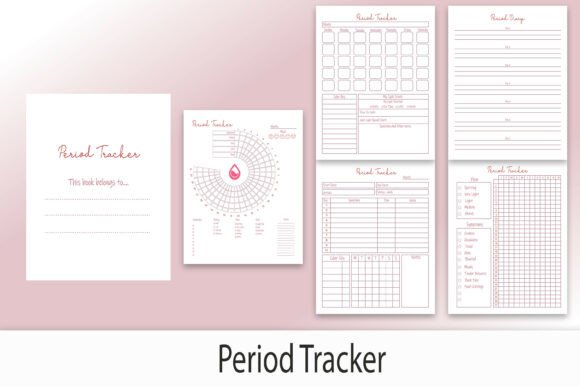
The Period Tracker is designed to provide users with an intuitive and reliable way to log their menstrual cycles. It typically includes features such as cycle length tracking, ovulation prediction, symptom logging, and fertility window identification. These tools are especially useful for those who want to take control of their reproductive health and make data-driven choices about their lifestyle and well-being.
Key Features of a Period Tracker
A quality Period Tracker offers several key features that enhance its usability and effectiveness. One of the most important aspects is its ability to track cycle length and regularity. By recording the start and end dates of each period, the tracker can help you determine if your cycle is consistent or if there are any irregularities that may require further attention.
Another valuable feature is the ability to log symptoms such as cramps, bloating, mood changes, and fatigue. This not only helps you understand your body better but also allows you to identify patterns that may be linked to your menstrual cycle. Some Period Trackers also include a symptom diary that lets you note how you feel on a daily basis, providing a more detailed picture of your health over time.
For those interested in fertility, many Period Trackers offer ovulation prediction tools. These tools use algorithms to estimate when ovulation is likely to occur based on your cycle history. This information can be particularly helpful for couples trying to conceive or for individuals who want to avoid pregnancy.
Why Use a Period Tracker?
Using a Period Tracker can have numerous benefits, both practical and health-related. For starters, it provides a clear record of your menstrual cycles, which can be useful in identifying any irregularities or changes in your cycle. This information can be shared with healthcare professionals if needed, helping them make more accurate diagnoses and recommendations.
In addition to tracking cycles, a Period Tracker can also help you manage PMS symptoms. By keeping a log of your symptoms, you can identify what triggers certain discomforts and develop strategies to mitigate them. This proactive approach can lead to improved quality of life and greater confidence in managing your menstrual health.
For women who are trying to conceive, a Period Tracker can be an invaluable tool. By tracking ovulation and fertility windows, you can increase your chances of getting pregnant. This is especially beneficial for those who may have irregular cycles or who are unsure of their fertile window.
Practical Value and Real-World Use
The practical value of a Period Tracker lies in its ability to provide actionable insights based on real-world data. Unlike generic health advice, a Period Tracker offers personalized information tailored to your specific cycle. This makes it a powerful tool for making informed decisions about your health and lifestyle.
One of the advantages of using a Period Tracker is its flexibility. Many applications allow users to customize their tracking experience by adding notes, setting reminders, and even integrating with other health apps. This level of customization ensures that the tracker fits seamlessly into your daily routine.
However, it's important to note that no Period Tracker is perfect. While they can provide valuable insights, they are not a substitute for professional medical advice. If you have concerns about your menstrual health, it's always best to consult with a healthcare provider.
Who Benefits Most from a Period Tracker?
A Period Tracker is particularly beneficial for women who are actively managing their reproductive health. This includes individuals who are trying to conceive, those experiencing PMS symptoms, and women who want to better understand their menstrual cycle. It can also be useful for those who are planning to undergo fertility treatments or who are undergoing hormonal therapy.
Additionally, a Period Tracker can be a valuable resource for professionals, entrepreneurs, and creatives who need to maintain a consistent schedule. By tracking their menstrual cycles, these individuals can better plan their work around their natural rhythms, ensuring optimal productivity and well-being.
For educators and small business owners, a Period Tracker can help manage personal health while maintaining professional responsibilities. It allows for greater flexibility and adaptability in scheduling, making it easier to balance work and self-care.
Quality and Usability Considerations
When choosing a Period Tracker, it's important to consider both quality and usability. A high-quality Period Tracker should be user-friendly, accurate, and reliable. It should provide clear data visualization and easy-to-navigate features that make tracking your cycle a seamless experience.
Usability is another key factor to consider. A good Period Tracker should allow for customization, including the ability to add notes, set reminders, and track additional health metrics. It should also be compatible with various devices and platforms, ensuring accessibility across different operating systems and screen sizes.
Reliability is equally important. A Period Tracker should consistently provide accurate information without errors or glitches. This means that the app should be regularly updated and maintained to ensure long-term performance and security.
Long-Term Value and Limitations
A Period Tracker can offer long-term value by helping users build a deeper understanding of their menstrual health over time. By consistently tracking your cycle, you can identify trends and patterns that may inform future health decisions. This can lead to more proactive management of your reproductive health and improved overall well-being.
However, it's important to recognize the limitations of a Period Tracker. While it can provide valuable insights, it is not a replacement for professional medical care. It should be used as a complementary tool rather than a standalone solution. Additionally, some users may find the process of tracking their cycle to be time-consuming or overwhelming, especially if they are not used to keeping detailed records.
Despite these limitations, a Period Tracker remains a powerful tool for anyone looking to gain greater insight into their menstrual health. Whether you're trying to conceive, manage PMS, or simply understand your body better, a Period Tracker can be an invaluable resource in your journey toward better health and well-being.