Guide to Essay Writing Workbook
In the world of graphic design, clarity and structure are essential. Whether you're crafting a brand identity or designing a website, the ability to organize ideas effectively can make all the difference. The Guide to Essay Writing Workbook offers a structured approach to writing that mirrors the principles of visual communication—making it a valuable resource for designers and creators alike.
Structure as a Design Foundation
Just as a well-organized layout guides the viewer’s eye, a strong essay structure ensures your message is understood. The workbook breaks down the writing process into clear, actionable steps—from brainstorming to final edits—much like how a designer plans a layout before executing it. This methodical approach helps users develop a logical flow, similar to how visual hierarchy directs attention in design projects.
Key features include:
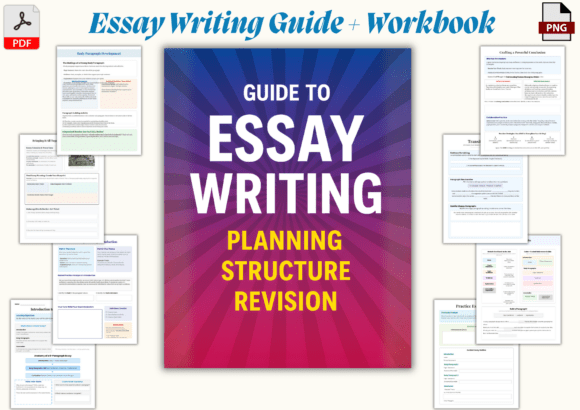
- Step-by-step lessons on introductions, body paragraphs, and conclusions
- Guided writing prompts and editable outlines
- Peer review and self-editing checklists
- Common mistakes and quick fixes
- Confidence-building exercises for writing mastery
Visual Clarity Meets Academic Writing
For designers, the Guide to Essay Writing Workbook serves as a reminder that effective communication isn’t just about content—it's also about presentation. Just as typography choices affect readability, the way an essay is structured impacts its overall impact. By focusing on transitions, linking devices, and essay flow strategies, the workbook teaches writers to create content that is both engaging and easy to follow.
This aligns with the principles of visual design, where consistency and clarity are key. Whether you're working on branding materials, social media graphics, or editorial layouts, the ability to convey a message clearly is paramount. The workbook equips users with the tools to do just that, making it a useful companion for those who want to enhance their creative output across multiple platforms.
Design Workflow Integration
Integrating the Guide to Essay Writing Workbook into your design workflow can lead to more polished and professional results. For instance, when developing a brand identity, having a strong foundation in written communication can help ensure that messaging is consistent across all touchpoints. Similarly, when creating marketing materials, a well-structured essay can serve as a template for clear and compelling copy.
Whether you're designing for print or digital, the workbook’s focus on organization and clarity can be applied to various creative projects. From packaging design to web design, the ability to present information in a structured, visually appealing way is a skill that transcends mediums.
Practical Applications in Creative Fields
The Guide to Essay Writing Workbook is not just for students—it's a tool that can benefit anyone involved in creative work. Here are some practical applications:
- Branding and logo design: Clear, concise messaging strengthens brand identity.
- Social media content: Structured writing improves engagement and readability.
- Website and UI design: Logical content flow enhances user experience.
- Editorial layouts: Strong structure supports better storytelling and visual composition.
- Advertising campaigns: Well-written copy drives conversion and retention.
By applying the principles from the workbook, designers can create more impactful content that resonates with their audience while maintaining a cohesive brand voice.
Ultimately, thoughtful design choices—whether in writing or visual elements—lead to stronger communication. The Guide to Essay Writing Workbook provides a framework for achieving this, helping creators refine their skills and deliver professional, polished results across all design disciplines.